
Laboratory Service
Petrology & Geological Services
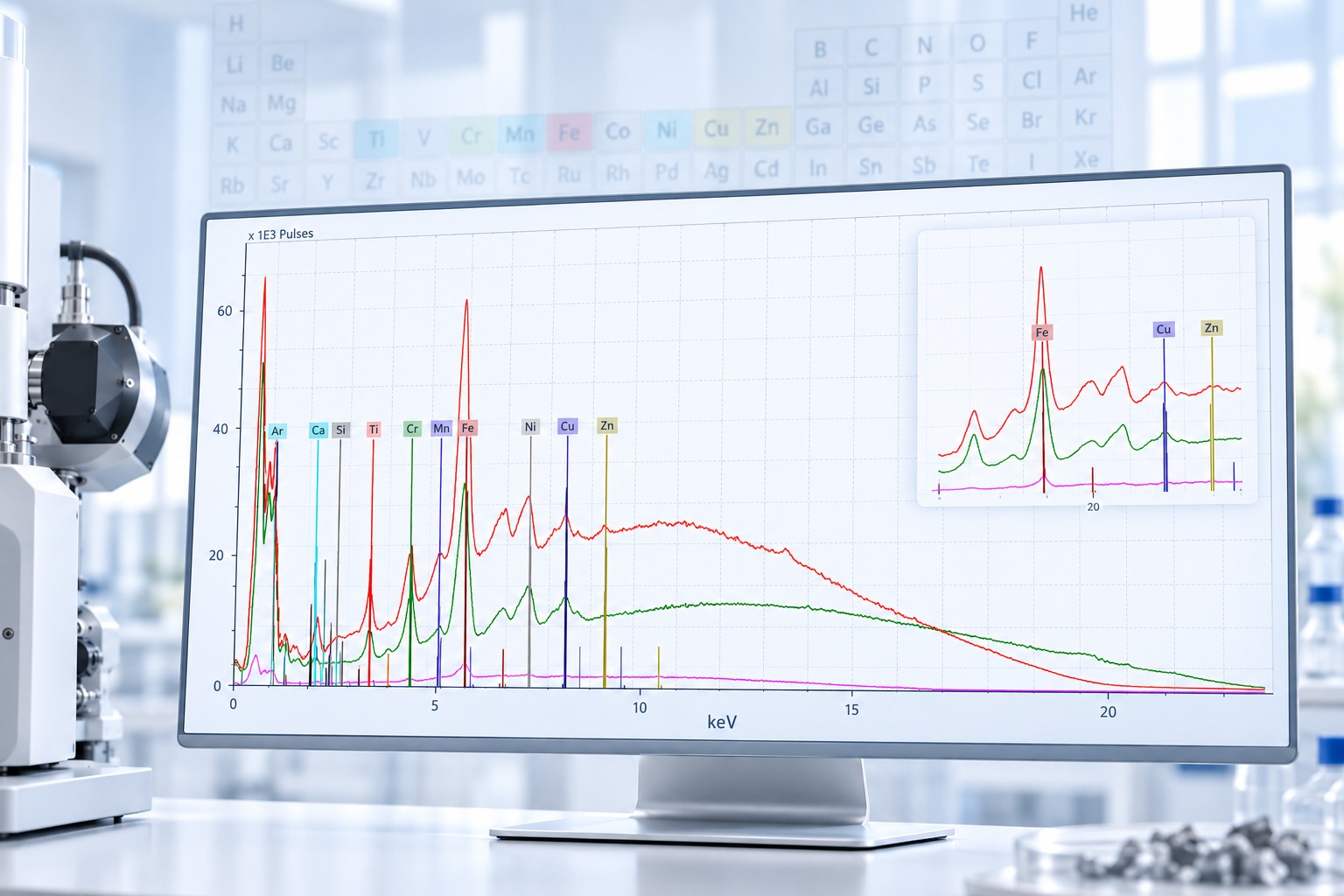
Developing a comprehensive understanding of the reservoir. Thin section, X-ray and SEM analysis determine mineral content, clay types, and the morphology and distribution of minerals within the rock.
All Services
- X-ray Fluorescence (XRF)
- Pore level attributes are examined to establish pore types and the distribution of pores within the rock.
- Together with mineralogy and clay characterisation, this builds a picture of why an interval performs the way it does — rather than only what its bulk properties measure.
- Petrographic work is most valuable when read alongside routine and special core analysis.
- Where a permeability result looks anomalous, or a log response does not match the measured saturation, mineralogy and pore structure usually explain it.
Objectives of Petrographic Analysis
- Understanding the performance potential of the reservoir
- Characterising the pore system, including primary, secondary and micro porosity
- Defining the types, amounts and distribution of clays present
- Identifying and describing the rock types present over the intervals of interest
- Defining factors that may affect wireline log response, for improved log interpretation
- Defining controls on reservoir quality and their spatial distribution
- Understanding formation attributes that may cause sensitivity to drilling, completions and stimulation
- Outlining methodology to minimise formation damage and maximise productive potential