
Special Core Analysis
Permeability Measurements for Tight Rocks
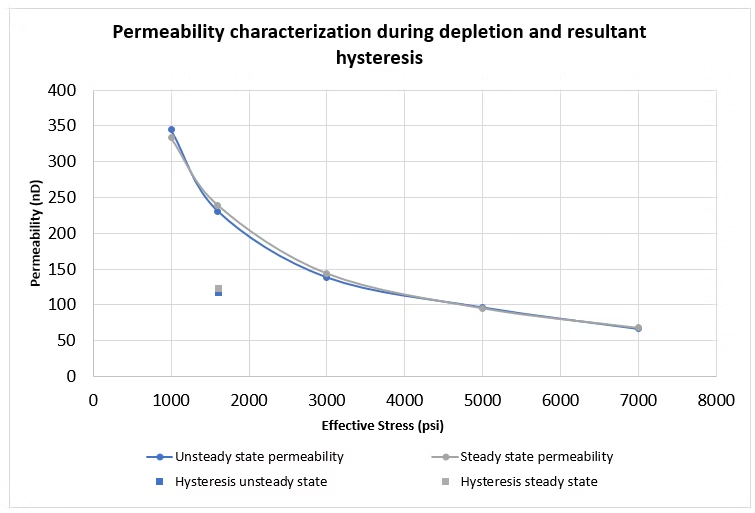
Steady state and unsteady state permeability measured on intact ultra-low permeability plugs, using gas under supercritical conditions to avoid slippage and inertial effects.
What you receive
- Steady and unsteady state permeability
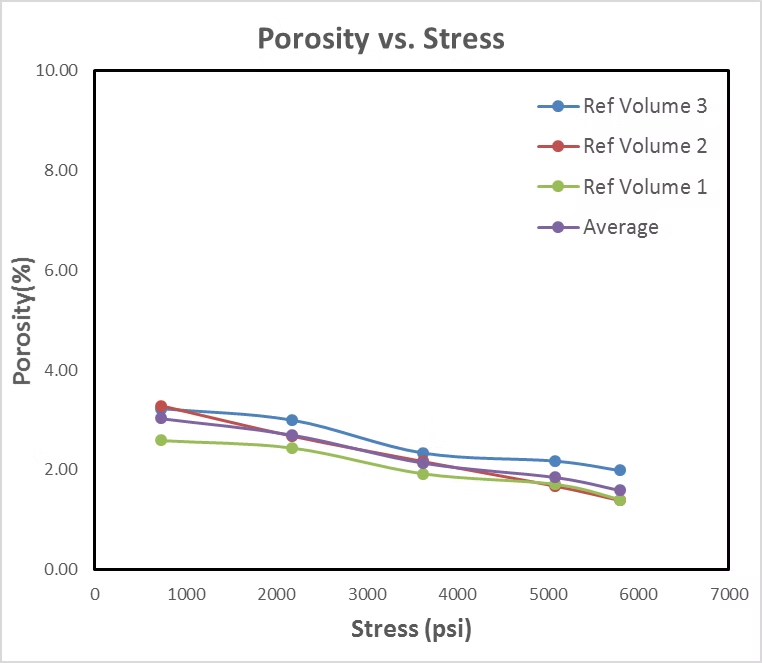
- Porosity by pulse decay under stress
- Matrix and fracture permeability, distinguished
- Pore volume change with stress
- Recoverable permeability (hysteresis point)
- Resolution to approximately 1 nanodarcy
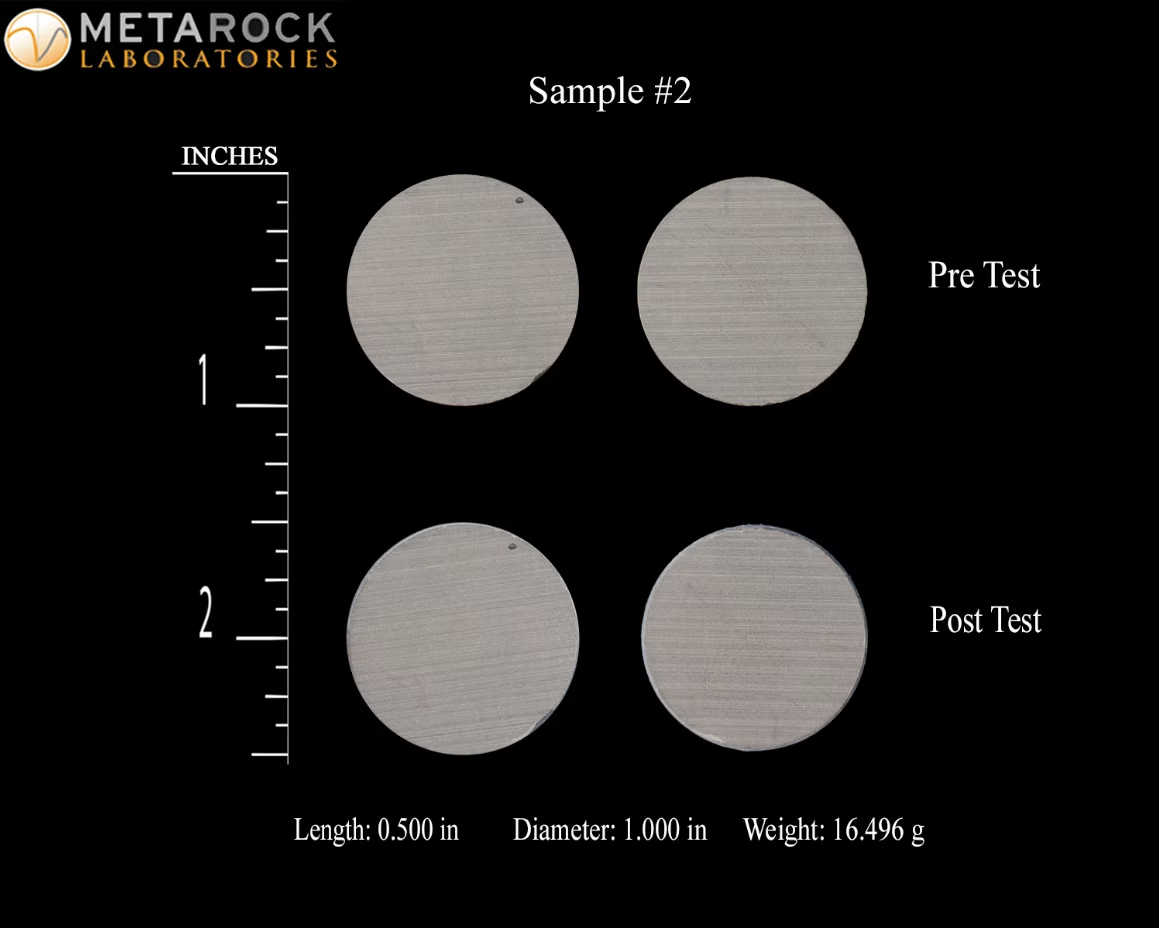
Sample dimensions: 0.5″ length × 1″ diameter.
- Permeability underpins reservoir modelling, depletion policy and log calibration.
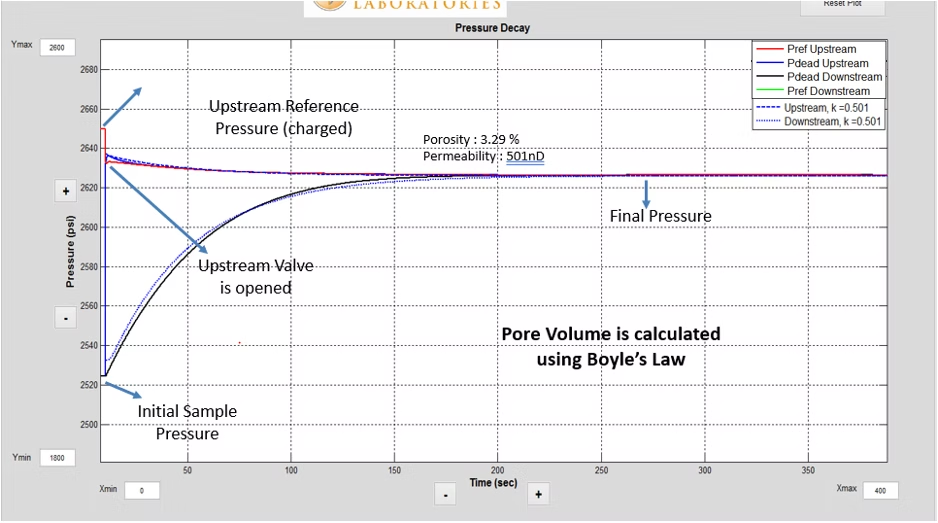
- Our unsteady state system distinguishes matrix permeability from fracture permeability and measures both, feeding dual porosity models directly.
- Using the pulse decay method, porosity is calculated by Boyle’s law under stress.
- Testing intact plugs rather than crushed rock avoids fabric damage, and running with CO2 or nitrogen under supercritical conditions removes the need for Klinkenberg and Forchheimer corrections.
- All components sit inside a constant temperature incubator, and custom metallic seals prevent leaks that would otherwise corrupt the measurement.